


FDA Workforce Shake-Up: New Hires, Leadership Moves & Why it Matters for Public Health
A Hiring Surge Despite Challenges
In early January 2026, the FDA reaffirmed plans to expand its workforce — a striking development after a period of notable staff departures and organizational turbulence. According to recent reporting, FDA Commissioner Martin Makary confirmed the agency is onboarding approximately 450 new hires, with 40 already on board and more to come. These additions are part of a broader approved hiring plan that called for roughly 1,050 new positions overall.
This hiring drive reflects the FDA’s effort to rebuild critical capacity after a period marked by workforce losses, leadership turnover, and reassignments.
FDA Signals New Era: Certain Drugs May Win Approval After a Single Clinical Trial
The FDA is once again reshaping the regulatory landscape—this time by opening the door for some therapeutics to be approved based on one adequate and well-controlled clinical trial, supported by confirmatory evidence, rather than the traditional requirement of two trials. While this pathway has existed in statute for years, recent FDA communication and regulatory decisions signal a renewed willingness to apply it more broadly—especially in serious or life-threatening diseases with high unmet medical need.

The Government Shutdown Is Finally Ending — Here’s What Really Happened
The Government Shutdown Is Ending — And It’s About Time Washington Got Its Act Together
After weeks of gridlock and political theater, the government shutdown is finally coming to an end. But while the media frames every shutdown as the apocalypse, conservatives know the real story: this entire crisis was avoidable, manufactured by a Washington establishment that refuses to do the one thing taxpayers expect — spend responsibly.
FDA & HHS Move to Phase Out Synthetic Dyes
The FDA will work to eliminate several synthetic food color additives (like Red Dye No. 3, Red Dye No. 40, Yellow Dye No. 5) from the U.S. food supply by the end of 2026.

Fast-Track Vouchers, Biosimilar Reform, and Botox Crackdown
The FDA has issued a second batch of six “Commissioner’s National Priority Vouchers” (CNPVs), bringing the total number of recipients to fifteen since the program’s launch.
These vouchers are designed to dramatically shorten review timelines — cutting the standard 10–12-month review period to as little as 1–2 months.
According to Reuters, recipients include Eli Lilly, Novo Nordisk, and Vertex Pharmaceuticals, with qualifying products addressing high-impact public health needs such as obesity, sickle-cell disease, and lung cancer.
The FDA defines national-priority drugs as those that:
Tackle major public-health challenges,
Strengthen U.S.-based manufacturing and supply resilience, or
Improve affordability or accessibility for American patients.
Takeaway: The voucher system is now becoming a strategic accelerator for biotech and pharma companies. For regulatory professionals, it’s time to start factoring CNPV eligibility into early development and submission planning.
⚠️ Crackdown on Illegal Botox Sales
The FDA issued 18 warning letters to online retailers marketing unapproved and misbranded botulinum toxin products.
These websites were selling injectable neurotoxins that mimic approved cosmetic injectables but lack FDA authorization. The agency cited risks of contamination, improper dosage, and severe adverse events — including botulism-like symptoms.
Clinicians are urged to verify that all injectable products are sourced through authorized distributors.
Takeaway: The FDA is reinforcing its stance against counterfeit and unregulated aesthetic injectables. This serves as a cautionary note for practitioners and a signal to regulatory consultants to remain vigilant around gray-market distribution.
🧬 Proposed Shift in Biosimilar Requirements
In a major policy development, the FDA released a draft guidance proposing the elimination of comparative efficacy studies for most biosimilars.
If finalized, this means developers may rely solely on analytical comparability data — covering structural, physicochemical, and functional characteristics — rather than conducting expensive efficacy trials against reference products.
This move aligns with evolving scientific confidence in advanced analytical tools and mirrors global trends toward streamlined biosimilar development.
Takeaway: This could significantly reduce the cost and duration of biosimilar programs, opening the door for faster approvals and broader patient access. Developers should prepare to adjust their clinical strategies and analytical justification packages accordingly.
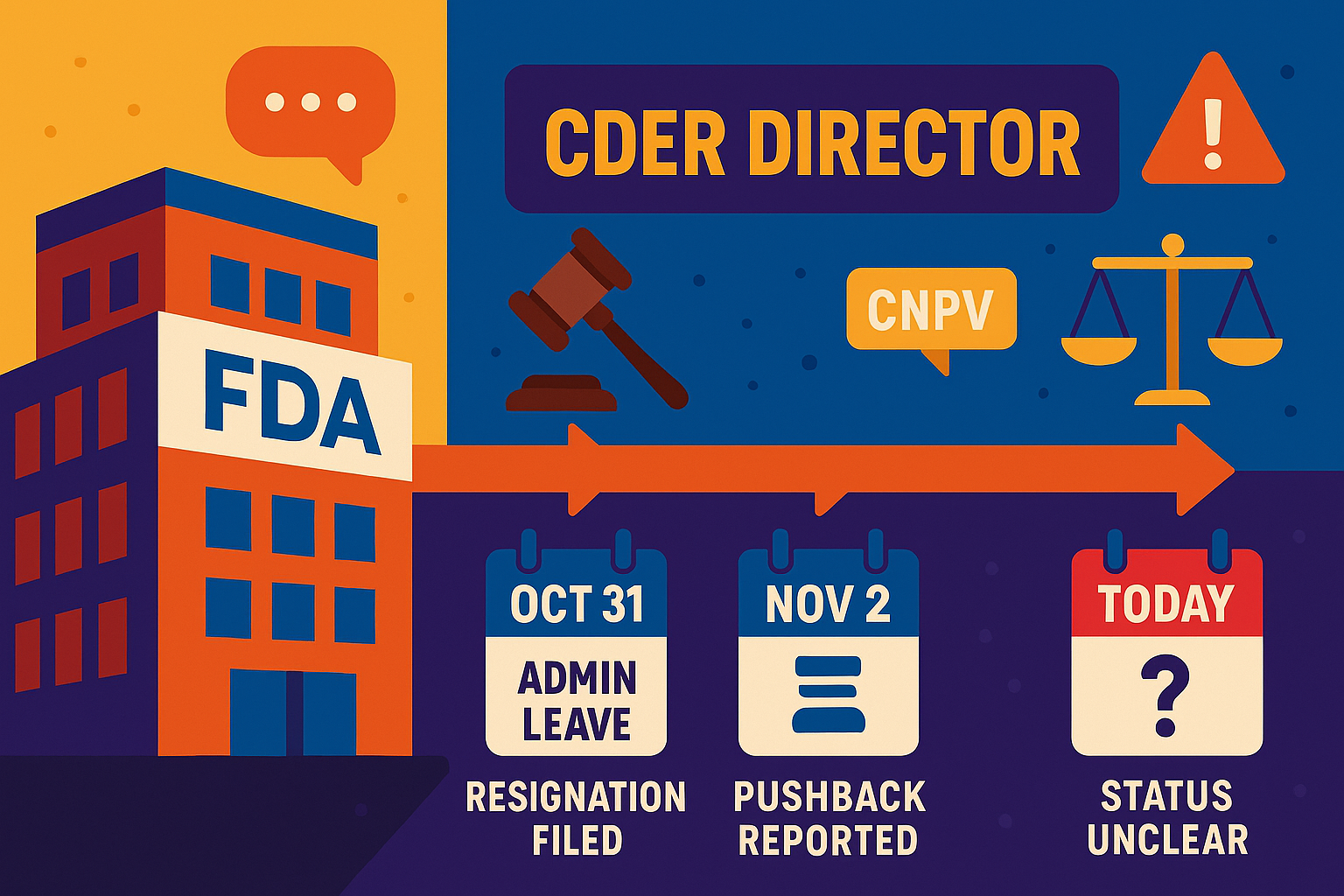
CDER in Turmoil: A Timeline, the Aurinia Lawsuit, and What’s Next for FDA’s Drug Center
The CDER director saga is still unfolding: leave → resignation → pushback—with litigation in the background and policy debates (CNPV) up front. Until FDA formalizes interim leadership and clarifies next steps, sponsors should build buffer into interactions, keep records tight, and watch for official updates.

FDA Regulatory Roundup
Today’s FDA Regulatory Roundup delivers crisp, actionable intel for pharma, biotech, and medtech teams. We scan CDER, CBER, and CDRH to surface what changed, why it matters, and your next move—covering fresh guidance, advisory committee readouts, approvals, safety alerts, inspection trends, and policy shifts. Highlights include leadership moves at CDER, a new rare-disease approval, expanding menin-inhibitor indications, and a widening supplement adulteration alert. We flag near-term calendar items (PDUFA and advisory meetings) and translate signals for IND, NDA/BLA, and 510(k)/PMA strategies. Use this digest to strengthen submissions, sharpen meeting packages, and keep cross-functional teams aligned in a fast-moving landscape—daily.
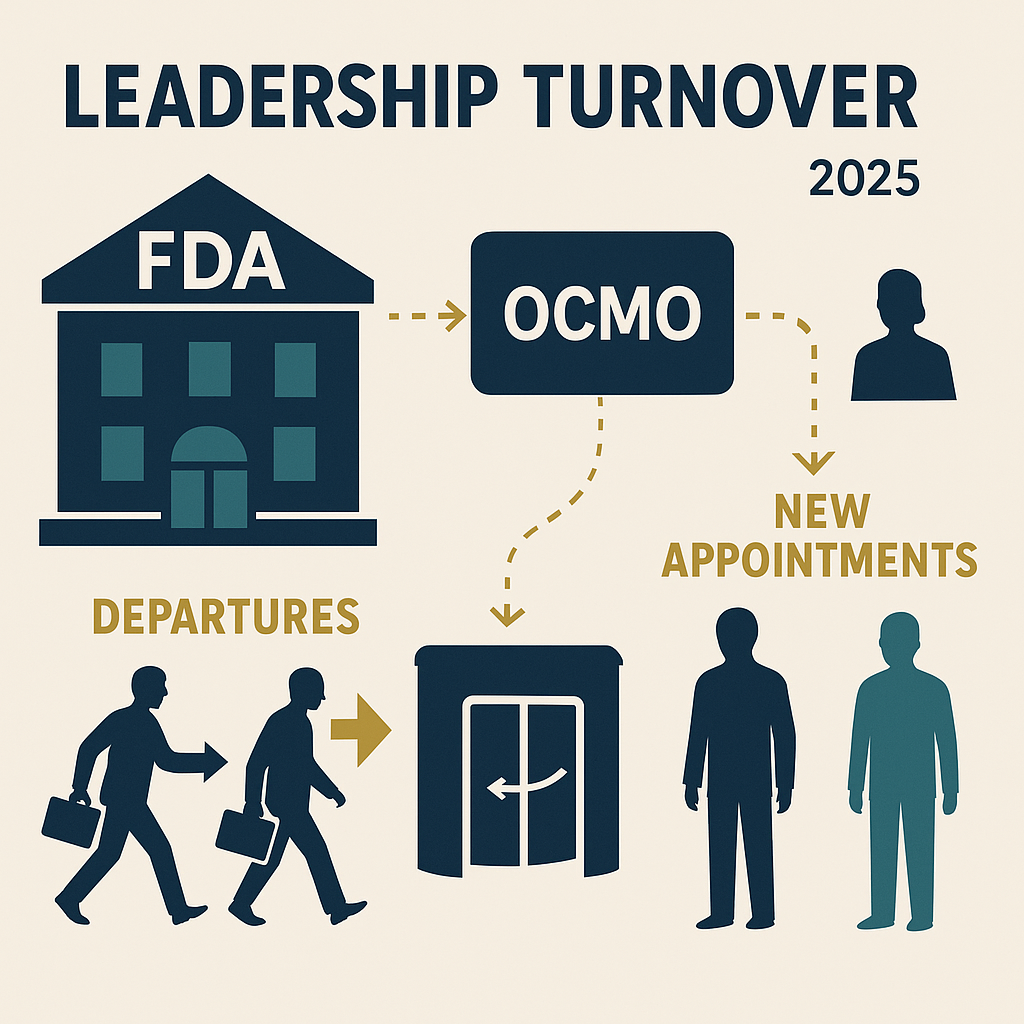
Inside FDA’s OCMO: Rapid Leadership Turnover, New Appointments, and What to Watch
What’s confirmed
Vinay (Vinayak) Prasad was elevated to Chief Medical & Scientific Officer and (separately) tapped to lead CBER in 2025; despite a brief July exit, he was listed back in the CMO role by September. U.S. Food and Drug Administration+2Reuters+2
Ann Meeker-O’Connell left the agency; she now appears in industry roles following her tenure as Director, Office of Clinical Policy. Milken Institute
Sandra (Sandy) Retzky is no longer serving as Director of the Office of Orphan Products Development and has been reassigned within FDA, per recent trade reporting and law-firm summaries. biospace.com+1
Mallika Mundkur, MD, MPH is serving as Deputy Chief Medical Officer under OCMO. healthpolicy.duke.edu
Scott Steele, PhD—previously acting CBER director—has been reported to shift into public health preparedness leadership within OCMO. STAT
James Bertram remains Director, Office of Combination Products (OCP). dia2025globalannualmeeting.sched.com+1
Still evolving / mixed signals
Dionna Green, MD was documented as Director, Office of Pediatric Therapeutics through mid-2025; subsequent status isn’t yet clearly recorded on FDA’s site, though some public profiles suggest changes this fall. Monitor FDA org pages for updates. U.S. Food and Drug Administration+1
Why it matters
OCMO sits at the crossroads of FDA’s clinical policy, scientific integrity, rare-disease strategy, pediatric oversight, and public-health preparedness. Concentrated leadership changes can ripple into how cross-cutting policies are written, how reviews are coordinated across centers, and how disputes are escalated and resolved. Recent investigative reporting also describes internal friction tied to management style and staffing moves, underscoring the stakes for recruitment and retention. STAT
Read-through for sponsors & developers
Expect variability in interfaces. With director-level handoffs, align early on points of contact and decision pathways—especially for combination products, pediatrics, and orphan strategy.
Over-document scientific rationale. Leadership transitions can slow consensus; make your uncertainty analyses, benefit–risk logic, and post-market commitments ultra-explicit.
Track preparedness policy. If Steele’s remit within OCMO expands, anticipate renewed attention to emergency-use frameworks, shortage mitigation, and cross-center incident response. STAT
Monitor guidance calendars. Shifts in OCMO and center leadership often precede edits to clinical policy, evidence standards, and advisory committee practices.
Bottom line
OCMO is being rewritten in real time. Some exits (Meeker-O’Connell, Retzky) are confirmed; others remain in flux. New leaders (Mundkur, Steele) are stepping into influential portfolios. For program teams, the play is simple: confirm org maps before key meetings, pre-wire scientific positions, and assume extra review time while lines of authority settle.
Sources: FDA organization pages and bios; Reuters and The Guardian coverage of Prasad’s July departure/reinstatement; STAT reporting on staffing moves; Biospace and law-firm summaries on OOPD leadership changes; DIA speaker bios and FDA meeting materials for role confirmations.
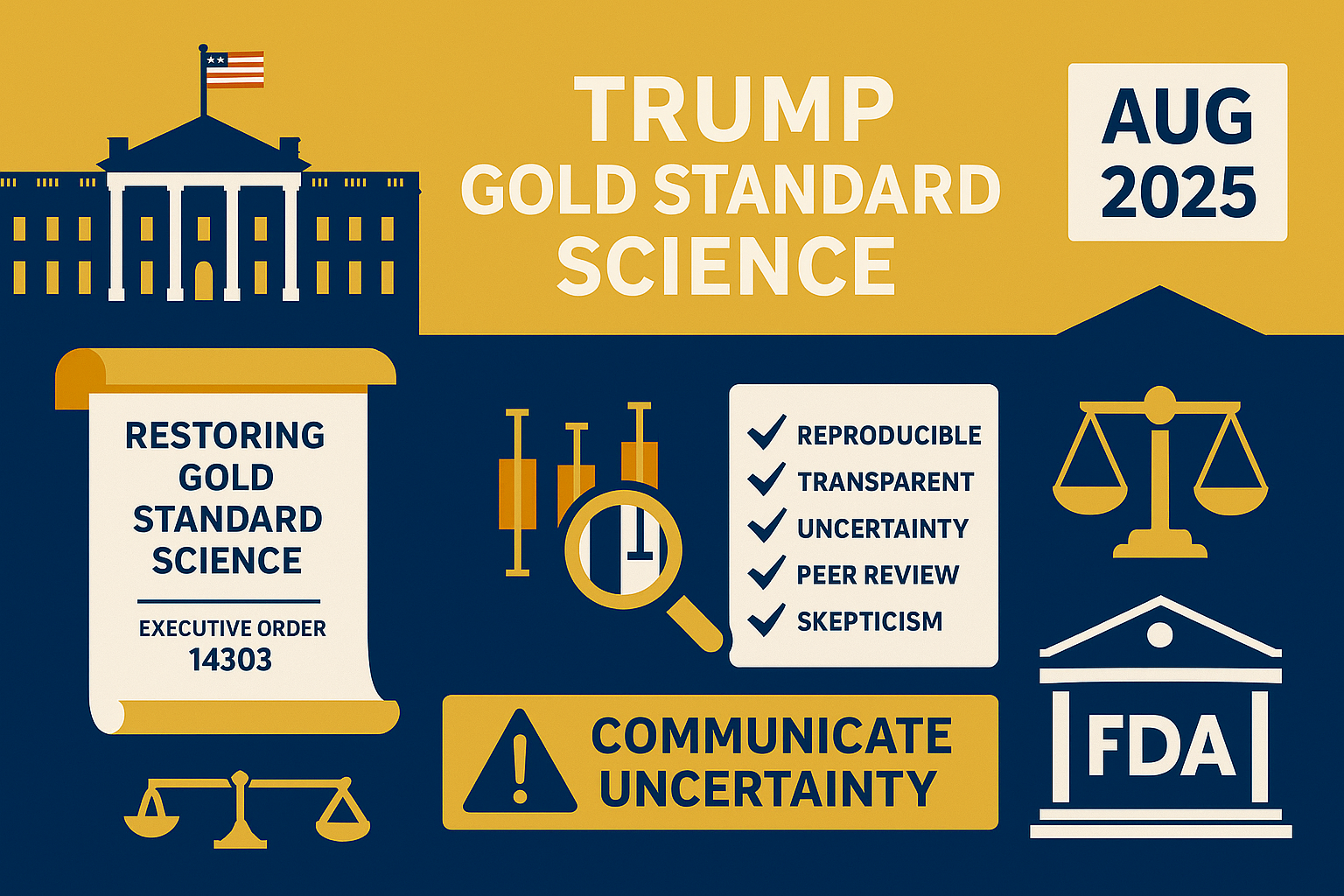
FDA Rolls Out “Gold Standard Science” Playbook—What It Means for Sponsors and Scientists
In May, President Donald Trump signed the Executive Order “Restoring Gold Standard Science”—a sweeping directive telling federal agencies to anchor research and regulatory decisions in reproducibility, transparency, quantified uncertainty, skepticism, and unbiased peer review.
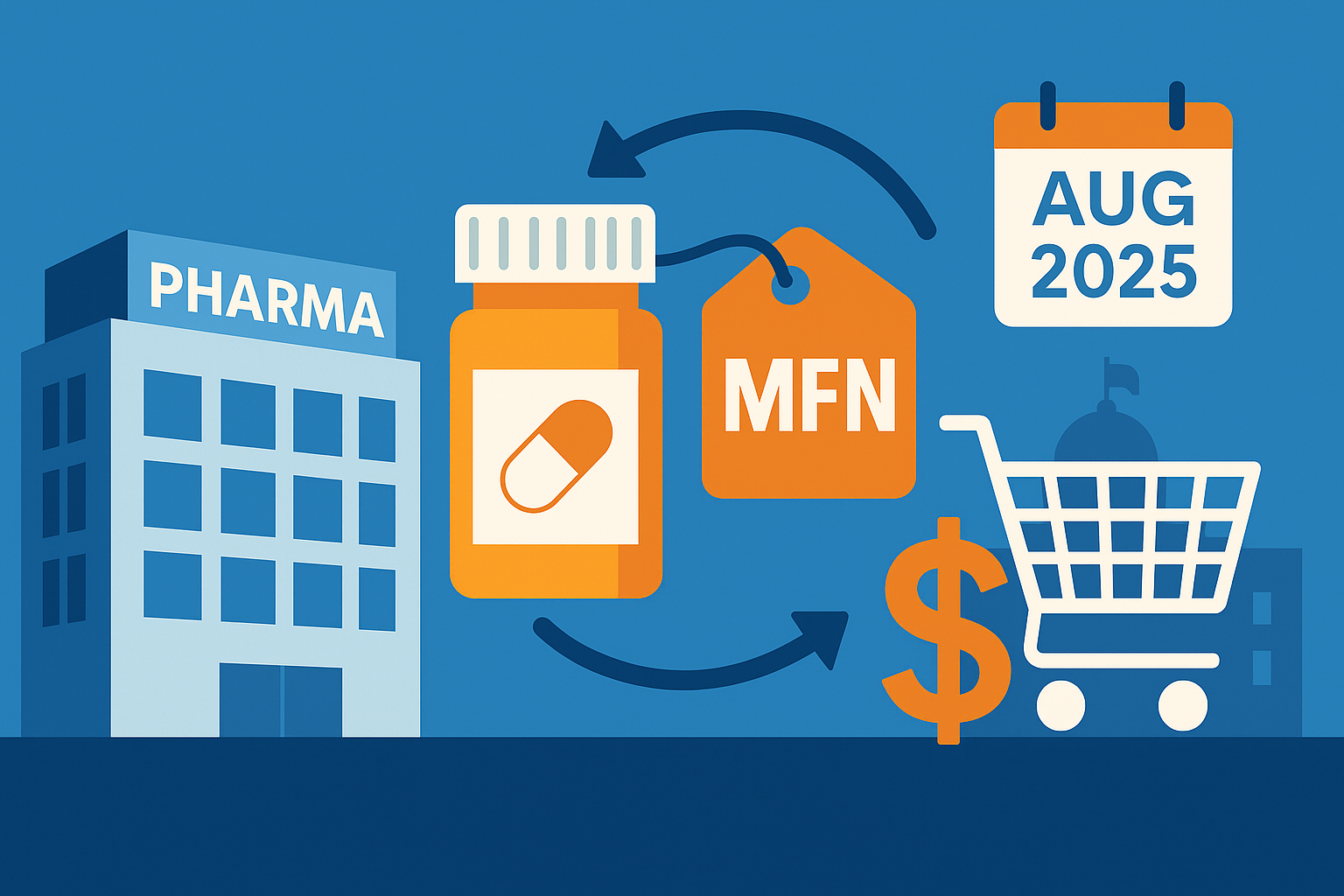
Pharma Eyes Direct-to-Consumer Drug Sales as Pfizer Confirms MFN Talks with Trump
Pfizer CEO Albert Bourla said industry leaders are collaborating on opportunities to sell drugs directly to consumers in an effort to lower drug prices. Direct-to-consumer sales are one request from the Trump Administration that industry is enthusiastic to meet.